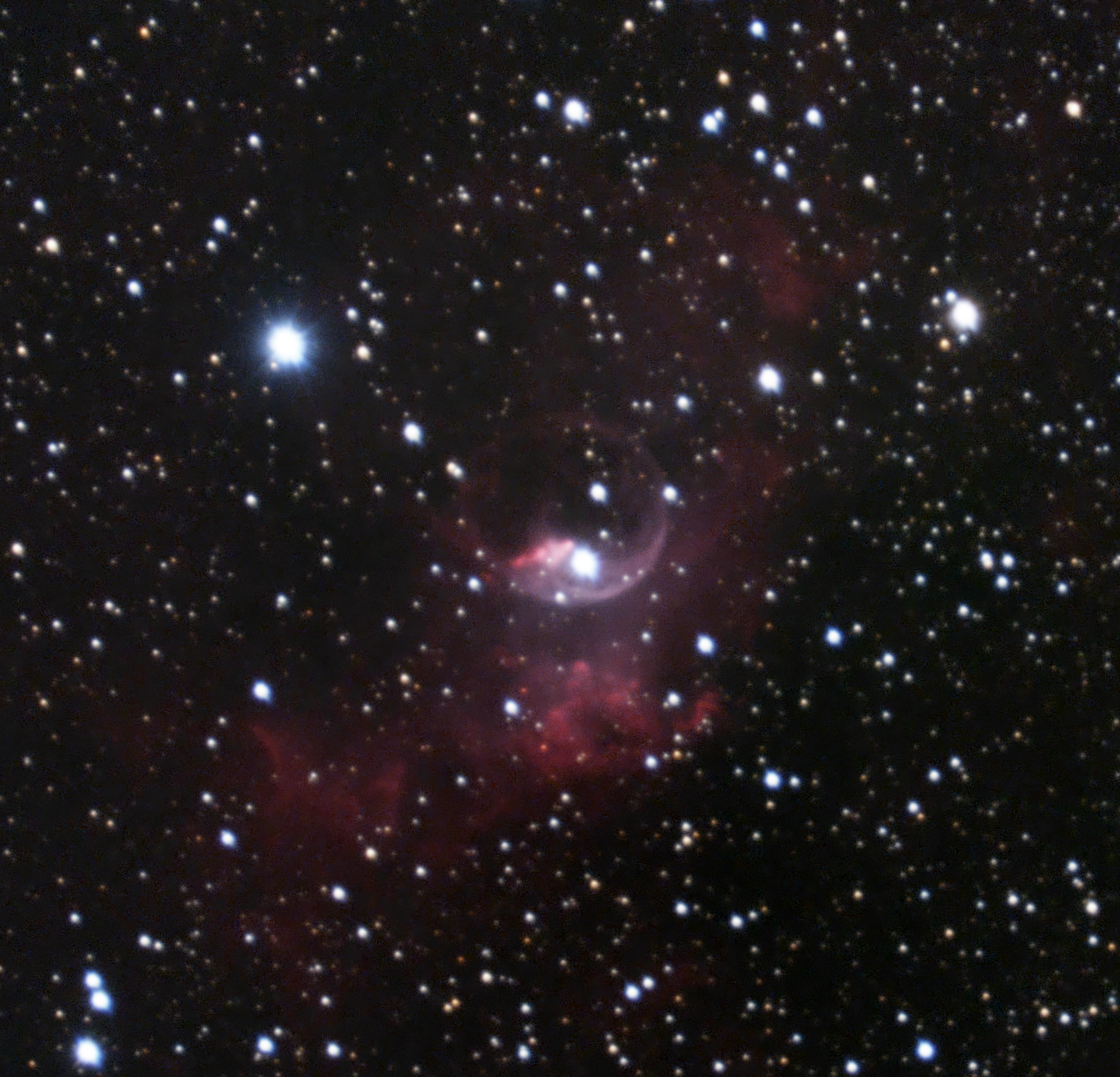
NGC7635
Notes
[ZWO ASI2600MC Pro]
CameraSerialNumber=2B35920208010900
FrameType=Light
Debayer Preview=Off
Pan=1024
Tilt=0
Output Format=FITS files (*.fits)
Binning=1
Capture Area=4176x4176
Colour Space=RAW16
Exposure/Gain Shift=0
Hardware Binning=Off
High Speed Mode=Off
Turbo USB=100(Auto)
Flip=None
Frame Rate Limit=Maximum
Gain=100
Exposure=180,000s
Apply Time Offset (ms)=0
Timestamp Frames=Off
White Bal (B)=50
White Bal (R)=50
Brightness=50
Window Heater Power=Off
Cooler Power=70
Temperature=-4,8
Target Temperature=-5
Cooler=On
Auto Exp Max Gain=100
Auto Exp Max Exp MS=10000
Auto Exp Target Brightness=50
Mono Bin=Off
CA Reduction/Synthetic Blue=Off
Mask over exposed pixels=Off
Flip (after dark/flat)=None
Trail Width=3
Minimum Trail Length=100
Trail Detection Sensitivity=9
Remove Satellite Trails=Off
Background Subtraction=Off
Planet/Disk Stabilization=Off
Banding Threshold=10
Banding Suppression=0
Apply Flat=None
Dark Scaling (Experimental)=Off
Hot Pixel Sensitivity=5
Subtract Dark=None
DisplayStretchEnable=1
NegativeDisplay=0
Display Black Point=0,0042572021484375
Display MidTone Point=0,023770762069768997
Display White Point=0,9999847412109375
Notes=
ZWO Focuser (2)=24947
Focuser Temperature=28,31999969482422
EQMOD ASCOM HEQ5/6=RA=23:20:49,2,Dec=+61:11:42 (J2000)
TimeStamp=2026-08-18T02:24:14.6473346Z
SharpCapVersion=4.1.14310.0
LastPlateSolveData=Plate solve result was RA=23:20:49,5,Dec=+61:11:43 with mount at RA=23:20:49,5,Dec=+61:11:43, FOV 0,695x0,695 degrees, up is 189,52 degrees East of North
Object Information
NGC 7635, the Bubble Nebula, is an emission nebula in the constellation Cassiopeia, located approximately 7,000 light-years from Earth. Its distinctive bubble-shaped shell is formed by the powerful stellar wind of the massive central star BD+60 2522, which sweeps up and ionizes the surrounding hydrogen gas.
This wide-field image also captures the surrounding emission nebulosity and the nearby open cluster Messier 52, visible toward the upper right. The rich stellar field and red hydrogen-alpha emission reveal the complexity of this active star-forming region in the Milky Way.